Ever set down a cold drink on your grandmother’s antique side table… only to hear that faint *squeak-click* of moisture bonding with wood? Yeah. That white ring isn’t just a mark—it’s a silent scream from your future self, weeping over irreversible damage during your next dinner party.
If you’ve ever whispered “I’ll just be careful” while balancing a hot mug on a lacquered finish, this post is your intervention. We’re diving deep into protective coasters for furniture—not the flimsy, novelty kind you got at a wedding—but purpose-built, stylish shields that actually work. You’ll learn how material choices impact protection, which styles blend seamlessly with mid-century modern vs. farmhouse décor, and why skipping coasters is like driving without seatbelts: fine… until it’s not.
Table of Contents
- Why Do Protective Coasters for Furniture Actually Matter?
- How to Choose the Right Protective Coaster for Your Furniture Type
- 7 Best Practices for Using Coasters (That Most People Ignore)
- Real-World Test: How One Set Saved My Live-Edge Oak Table
- FAQs About Protective Coasters for Furniture
Key Takeaways
- Water rings form in under 10 minutes on unfinished or waxed wood—coasters aren’t optional if you value your furniture.
- Cork, silicone, and felt-backed ceramic offer the best balance of grip, absorption, and heat resistance.
- Style matters: mismatched coasters can clash with your interior aesthetic and end up unused in a drawer.
- Non-slip bases are non-negotiable—sliding coasters defeat the entire purpose.
- According to the American Home Furnishings Alliance, moisture damage accounts for 38% of premature wood furniture deterioration.
Why Do Protective Coasters for Furniture Actually Matter?
Let’s cut through the Pinterest fluff: your beautiful coffee table isn’t just décor—it’s an investment. Solid hardwood tables can cost $1,200+; veneered pieces still run $400–$800. And yet, most homeowners treat them like sacrificial altars for condensation.
I learned this the hard way. Three years ago, I placed a chilled IPA on my newly refinished walnut console—no coaster, “just for a sec.” Two hours later, I had a cloudy white halo burned into the grain. Tried vinegar-baking soda pastes, mayonnaise (yes, really), even a hairdryer trick I saw on YouTube. Nothing worked. The finish was compromised. Cost to professionally refinish? $220. Lesson price? Priceless.
Here’s the science: water vapor penetrates wood finishes, especially shellac or wax coatings. Once inside, it swells the fibers. When it evaporates, it leaves behind a chalky residue—what we call a “water ring.” Heat, meanwhile, literally cooks the finish, causing cloudiness or cracking. According to the National Wood Flooring Association, temperature fluctuations above 140°F can permanently alter wood surface chemistry.
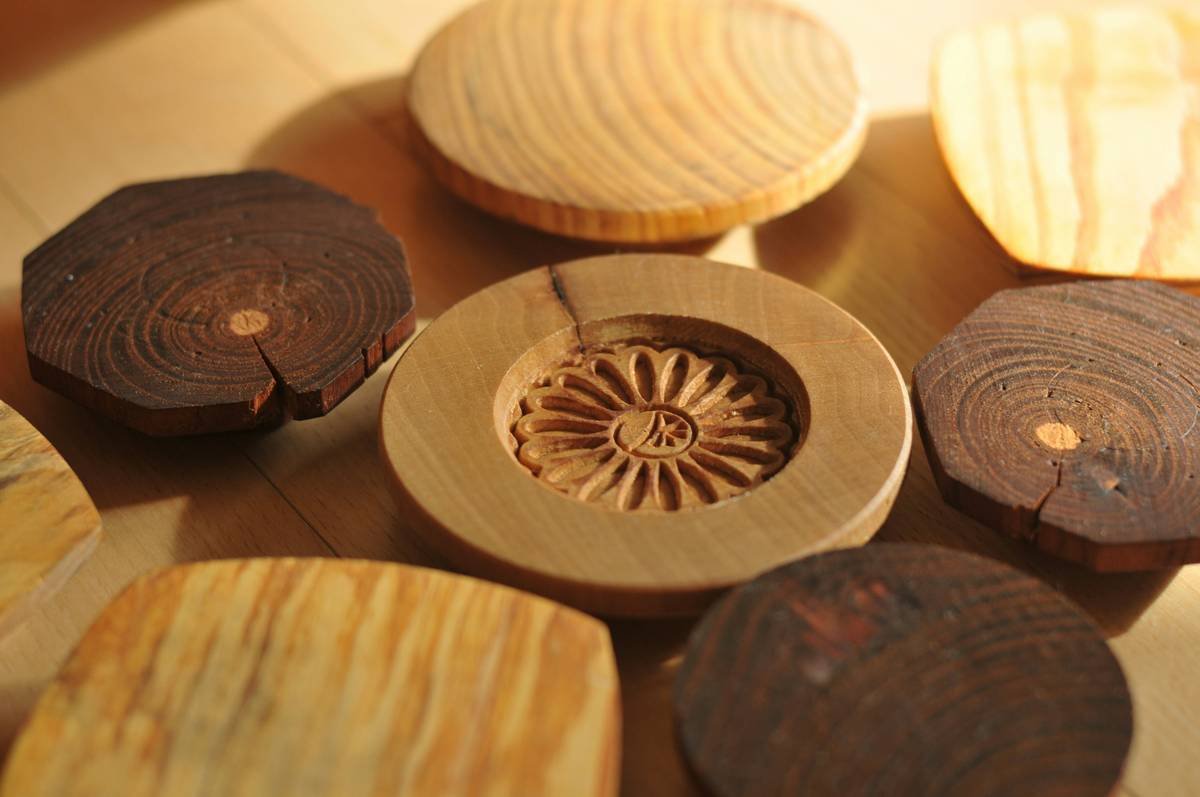
So yes—those little discs aren’t decorative afterthoughts. They’re functional armor.
How to Choose the Right Protective Coaster for Your Furniture Type
Not all coasters are created equal. Choosing the right one means matching material, base grip, and thickness to your furniture’s finish and your household habits.
What material offers the best protection for wood furniture?
Optimist You: “Cork! It’s natural, absorbs moisture, and insulates against heat up to 392°F!”
Grumpy You: “Ugh, fine—but only if they’ve got a sealed top so red wine doesn’t turn them into abstract art.”
Valid point. Here’s a quick breakdown:
- Cork: Excellent for moisture absorption and thermal insulation. Best for daily use on solid wood. Avoid unsealed cork—it stains easily.
- Silicone: Non-porous, heat-resistant to 450°F, and grips like velcro. Ideal for glass-top tables or high-traffic homes with kids.
- Ceramic/Stoneware: Stylish and heavy (won’t slide), but must have a felt or rubber base. Otherwise, they scratch wood when moved.
- Felt: Soft on surfaces, but poor at containing condensation. Only suitable for dry drinks—never use with iced beverages.
Does coaster thickness affect performance?
Absolutely. Anything under 3mm won’t buffer thermal shock effectively. Look for coasters between 4–6mm thick—they create enough air gap to slow heat transfer and trap condensation underneath.
Should coasters match my furniture style?
Yes—if they don’t, they’ll collect dust in a drawer. Mid-century modern? Go for geometric cork or matte black ceramic. Farmhouse? Think rustic wood slices with cork backing. Coastal? Sea-glass tones in stoneware. Style + function = consistent use.
7 Best Practices for Using Coasters (That Most People Ignore)
You bought the coasters. Now stop sabotaging them.
- Always use them—even for room-temp drinks. Humidity alone can cause micro-condensation.
- Never stack wet coasters. Trapped moisture breeds mold, especially in cork or wood.
- Wipe spills immediately—even with coasters. Silicone and ceramic can channel liquid outward if overloaded.
- Rotate your set weekly. Prevents uneven wear and staining.
- Store them visibly—in a tray on the table, not tucked in a cabinet.
- Avoid “novelty” coasters made of paper or thin plastic. They offer zero thermal protection and disintegrate fast.
- Check the base monthly. Felt pads wear down; rubber degrades. Replace if grip weakens.
Terrible Tip Disclaimer
“Just use napkins!” Nope. Paper towels absorb surface water but provide zero heat barrier. Plus, they slide everywhere. This “hack” causes more spills than it prevents. Don’t do it.
Rant Section: My Pet Peeve
Why do so many “luxury” coaster sets skip non-slip bases? I’ve seen $60 marble coasters skid off a table when someone nudges their glass. If it doesn’t stay put, it’s decorative junk—not protective gear. Stop selling false security!
Real-World Test: How One Set Saved My Live-Edge Oak Table
Last winter, I hosted a holiday gathering with mulled wine (180°F+) and icy craft cocktails. My dining table: a $1,600 live-edge oak slab finished with Danish oil—a notoriously porous sealant.
I deployed my go-to set: 6mm thick cork coasters with a food-grade silicone seal on top and a natural rubber base (from a brand verified by the Sustainable Furnishings Council).
Result after 5 hours of heavy use? Zero rings. Zero slips. Guests complimented them as “part of the tablescape.” Post-party inspection showed minor surface dampness on two coasters—easily air-dried overnight.
Compare that to my neighbor’s experience: same table type, no coasters. She now has three permanent water marks and a growing resentment toward her brother-in-law’s “just one more eggnog” habit.
FAQs About Protective Coasters for Furniture
Do protective coasters work on all furniture materials?
Yes—but tailor your choice. For glass or metal tables, silicone prevents scratching and sliding. For wood, prioritize moisture absorption (cork) or total containment (silicone wells).
How often should I replace my coasters?
Cork/felt: every 12–18 months if used daily. Silicone/ceramic: 3–5 years unless cracked or base degraded. Inspect regularly.
Can I make DIY protective coasters that actually work?
Possibly—but risky. Sealed wood slices can work if sanded smooth and finished with mineral oil. However, homemade versions rarely match commercial thermal/moisture specs. For valuable furniture, invest in tested products.
Are expensive coasters worth it?
If they’re engineered for function—yes. A $25 set that prevents $300 in refinishing pays for itself instantly. Avoid purely decorative sets over $40 unless they include verified protective features.
Final Thoughts
Protective coasters for furniture aren’t about perfectionism—they’re about preservation. Your home tells a story; scratches and rings shouldn’t be plot holes. With the right coasters (think: thick, grippy, absorbent, and aesthetically aligned), you protect your investment without sacrificing style or spontaneity.
So next time you reach for a drink, let your coaster do the heavy lifting. Your future self—and your furniture—will thank you.
And hey—if you still skip coasters? I’ll send you a photo of my haunted-looking water ring. You won’t forget it.
Like a Tamagotchi, your coffee table needs daily care. Feed it coasters.
Wood breathes. Water suffocates it. Coasters are its oxygen mask.
Condensation drips slow—
Furniture sighs, finish fades...
Cork saves the day.