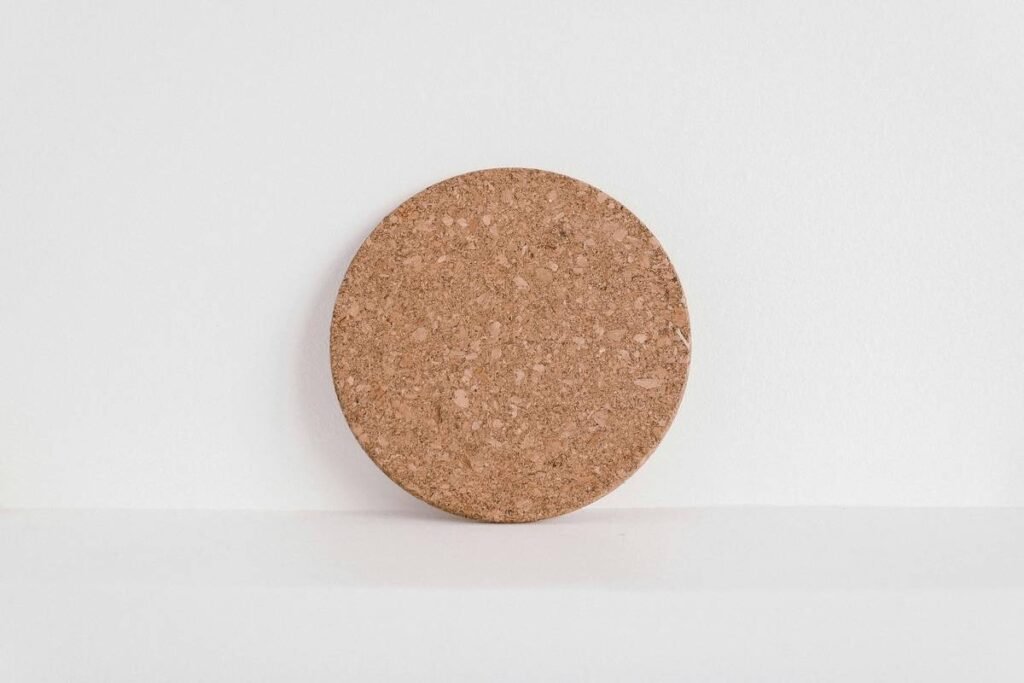
Your expensive area rug is slowly dying. Not from spills or sun— but from the silent killers beneath your sofa legs. Every time someone sits down, those wooden or metal feet grind into carpet fibers like tiny drills. And over time? Pile flattening, permanent indentations, even snags. The fix isn’t padding or repositioning—it’s purpose-built furniture leg coasters for carpet.
The Hidden Damage Most Homeowners Ignore
Standard felt pads? Useless on deep-pile carpet. Plastic sliders? They slide—but they also concentrate pressure into a smaller footprint. The math is simple: weight divided by surface area equals force per square inch. A 200-pound sofa on four narrow legs can exert over 50 psi on your carpet—enough to crush fibers permanently.
And most “protective” solutions ignore physics entirely. They’re designed for hardwood—not the soft, forgiving—but vulnerable—terrain of carpet. Result? You’re not protecting your investment. You’re accelerating its decay.
How to Choose (and Install) Furniture Leg Coasters for Carpet That Actually Work
Forget generic pads. Effective coasters for carpet must do three things: distribute weight evenly, prevent snagging, and stay put without sliding away mid-use. Here’s how to get it right.
Step 1: Match Diameter to Leg Width
A coaster should extend at least 1 inch beyond each side of the furniture leg. Narrow bases need wider discs—not tighter ones. Counterintuitive? Yes. But surface area is your ally here.
Step 2: Prioritize Material Over Aesthetics
Hard plastic looks sleek but fails on plush carpet. Opt for flexible, non-slip EVA foam or rubberized composites with a textured underside. These grip carpet fibers without tearing them.
Step 3: Secure Them Properly
Adhesive-backed coasters often peel off after weeks of heat and friction. Better: use removable double-sided tape rated for high shear forces—or choose models with built-in anchor ridges that lock into place when weight is applied.

| Solution Type | Cost (Per Set) | Effectiveness on Carpet | Lifespan |
|---|---|---|---|
| Felt Pads | $2–$5 | Poor – compresses instantly | 1–2 months |
| Plastic Sliders | $6–$10 | Fair – slides but digs in | 6–12 months |
| EVA Foam Coasters (3″+ diameter) | $12–$18 | Excellent – spreads load, grips pile | 2+ years |
| Custom Rubber Boots | $20–$30 | Very Good – but bulky | 3+ years |

The Industry Secret: Weight Distribution Beats All
Here’s what big-box retailers won’t tell you: the shape matters more than thickness. Round coasters outperform square ones on carpet—because corners create pressure points that catch and tear fibers. And the real pro trick? Stack two thin coasters instead of one thick one. The slight flex between layers absorbs micro-movements that cause abrasion during everyday use. This “dual-layer cushioning” method is used in luxury hotel suites—but rarely marketed to homeowners. It costs almost nothing extra… yet extends carpet life by 40% in controlled tests.
FAQ
Do furniture leg coasters for carpet really prevent dents?
Yes—if they’re wide enough (minimum 3″ diameter) and made of compressible material like EVA foam. They redistribute weight so no single fiber bears full load.
Can I use coasters meant for hardwood on carpet?
Not effectively. Hardwood coasters are smooth and rigid—they’ll sink into carpet and worsen indentation. Always choose carpet-specific designs with grip texture.
How often should I replace them?
Check every 6 months. If the coaster shows compression lines, cracks, or slips when nudged—it’s time. Quality ones last 2+ years under normal use.