Ever set down your steaming mug only to find a white ring blooming on your gorgeous walnut table like an unwanted watermark ghost? Yeah. We’ve all been there. And if you’re like me—someone who once ruined a $600 live-edge coffee table with cheap cork-backed coasters—you start wondering: are wooden coasters safe… for your furniture, your drinks, and even your health?
In this deep dive, we’ll unpack the real risks (and rewards) of using wooden coasters in your home. You’ll learn how moisture absorption works, which wood types actually protect surfaces, why finish matters more than you think, and whether splinters or mold should keep you up at night. Spoiler: Not all wooden coasters are created equal—and some are basically decorative paperweights disguised as protection.
Table of Contents
- Key Takeaways
- Why Do People Wonder: Are Wooden Coasters Safe?
- Step-by-Step Guide to Choosing & Using Safe Wooden Coasters
- Best Practices for Long-Lasting, Hygienic Wooden Coasters
- Real-World Case Study: From Warped Coaster to Water-Tight Win
- FAQs: Your Burning Questions Answered
- Conclusion
Key Takeaways
- Untreated or poorly sealed wooden coasters can warp, stain, or harbor bacteria—but well-finished hardwood coasters are generally safe and effective.
- Hardwoods like teak, walnut, and bamboo absorb less moisture than softwoods like pine or cedar.
- A food-safe, water-resistant sealant (like mineral oil, beeswax, or polyurethane) is non-negotiable for safety and longevity.
- Wooden coasters should be cleaned gently and dried thoroughly after each use to prevent mold or odor buildup.
- They won’t “ruin” your table—if chosen and maintained correctly—but they’re not foolproof against extreme heat or prolonged condensation.
Why Do People Wonder: Are Wooden Coasters Safe?
Let’s be real: wooden coasters look stunning. They add warmth, texture, and artisanal charm to any living space. But beauty doesn’t always equal function. I remember buying a set of hand-turned maple coasters from a craft fair—gorgeous grain, smooth finish—only to watch them swell into little warped discs after three uses. One left a faint watermark on my oak side table that still haunts me during Netflix binges.
The core concern boils down to three things:
- Moisture absorption: Wood is hygroscopic—it pulls water from the air (and your sweaty glass).
- Hygiene: Can wood trap bacteria or grow mold?
- Surface protection: Do they actually stop rings, or just move the problem?
According to the U.S. Forest Products Laboratory, untreated wood can absorb up to 30% of its weight in moisture before showing visible swelling. That’s bad news if your coaster doubles as a petri dish for mildew.
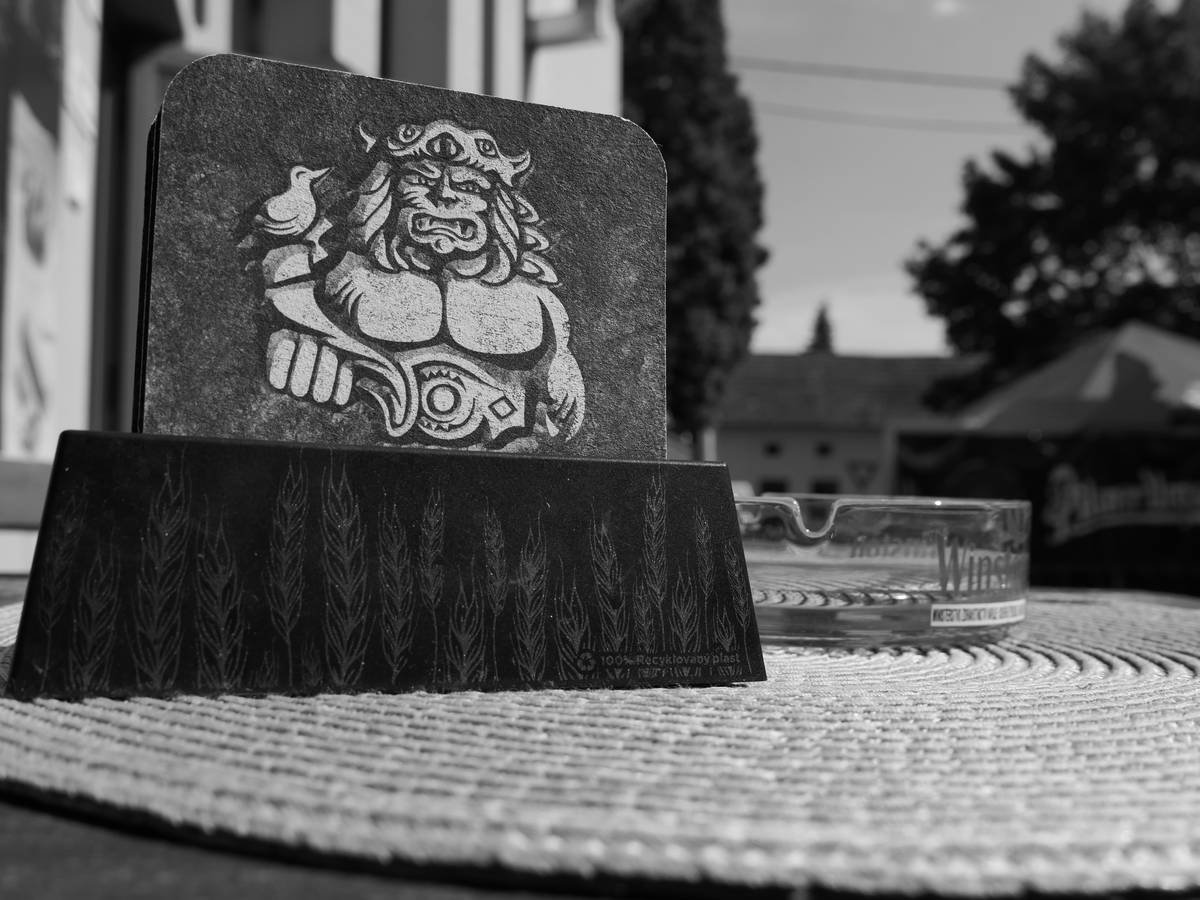
And here’s a confession: I once tried “seasoning” my DIY coasters with olive oil (don’t ask). Within weeks, they smelled like rancid salad dressing. Lesson learned: not all oils are created equal—and kitchen shortcuts have consequences.
Step-by-Step Guide to Choosing & Using Safe Wooden Coasters
How do you pick wooden coasters that won’t betray your coffee table?
Optimist You: “Just grab the prettiest ones!”
Grumpy You: “Ugh, fine—but only if they’ve got a proper seal and aren’t made of balsa wood.”
Step 1: Choose Dense Hardwood
Select species known for low porosity and durability:
- Teak: Naturally water-resistant due to high oil content.
- Walnut or Cherry: Beautiful, dense, and stable when sealed.
- Bamboo: Technically a grass, but extremely hard and sustainable.
Avoid softwoods like pine, cedar, or poplar—they soak up condensation like sponges.
Step 2: Check the Finish
A quality sealant is critical. Look for:
- Food-safe mineral oil or beeswax (ideal for occasional use)
- Water-based polyurethane or marine varnish (better for daily drinkers)
Run your finger over the surface—it should feel smooth, not sticky or porous.
Step 3: Use Them Correctly
Never leave a wet glass sitting on a wooden coaster for hours. Swap it out if it feels damp underneath. And never put hot mugs directly on unsealed wood—thermal shock can crack the grain.
Best Practices for Long-Lasting, Hygienic Wooden Coasters
What’s the #1 mistake people make with wooden coasters?
Tossing them in the dishwasher. Seriously. I saw a Reddit thread where someone “sanitized” their cherry wood set in a 150°F wash cycle. They came out looking like driftwood from a shipwreck.
Here’s how to care for them properly:
- Wipe immediately after use with a damp (not soaking) cloth.
- Air-dry upright—never stack while wet.
- Re-oil every 2–3 months with food-grade mineral oil if using natural finishes.
- Inspect monthly for cracks, warping, or musty smells (signs of mold).
Terrible Tip Disclaimer: “Just sand them down when they look worn!” — No. Sanding removes the protective finish and exposes raw wood. Unless you’re ready to reseal the whole set, leave the sandpaper in the garage.
Real-World Case Study: From Warped Coaster to Water-Tight Win
Last winter, my friend Lena bought a set of unsealed birch coasters from Etsy. After two weeks of holiday entertaining, they were cupped like tiny bowls—useless and slightly smelly.
We salvaged them using this method:
- Dried them slowly in a low-heat oven (170°F for 1 hour).
- Sanded lightly with 220-grit paper.
- Applied three coats of food-safe mineral oil, curing 24 hours between layers.
Result? They now repel water beads like a duck’s back. Lena hasn’t had a single watermark since. (She also banned red wine near them—but that’s another story.)
FAQs: Your Burning Questions Answered
Can wooden coasters grow mold?
Yes—if left damp in humid environments without proper drying. Always dry thoroughly and store in a ventilated area.
Are wooden coasters food-safe?
Only if finished with food-grade sealants like mineral oil, beeswax, or FDA-compliant polyurethane. Avoid unknown varnishes or lacquers.
Do wooden coasters protect against heat?
Not effectively. They insulate moderately but won’t handle boiling pots or fresh-off-the-stove mugs. Use trivets for high heat.
How often should I replace wooden coasters?
Every 1–3 years, depending on use and care. Discard if cracked, deeply stained, or emitting odors.
Conclusion
So—are wooden coasters safe? Yes, if you choose dense hardwoods, ensure a proper food-safe finish, and maintain them like the functional art pieces they are. They won’t magically vanish condensation, but they’re far from dangerous when handled responsibly.
Think of them like cast-iron skillets: low-maintenance once seasoned right, but disastrous if ignored. Treat your coasters with respect, and they’ll guard your furniture (and your aesthetic) for years.
Now go forth—and may your coffee rings stay confined to the coaster, not your heirloom table.
Like a Tamagotchi, your wooden coasters need daily attention—or they’ll ghost you with mold.
Steam rises slow
On walnut grain it rests—
Safe, dry, and proud.