Ever stood in the shower, watching yet another plastic conditioner bottle slip from your hands and shatter on the tile—taking your eco-guilt with it? You’re not alone. The beauty industry generates over 120 billion units of packaging annually, much of it single-use plastic that ends up in landfills or oceans. But what if your hair routine could nourish both your strands and the planet?
This guide dives deep into the sustainable beauty conditioner bar how to—from choosing the right formula to mastering application without greasy buildup. You’ll learn why conditioner bars are revolutionizing personal care, how to avoid common beginner blunders (yes, I made them all), and real tips that actually work for curly, dry, fine, or color-treated hair.
Table of Contents
- Why Should You Switch to a Conditioner Bar?
- Step-by-Step: How to Use a Sustainable Conditioner Bar
- 5 Pro Tips for Flawless Results
- Real Hair, Real Results: Case Studies
- FAQs About Sustainable Conditioner Bars
Key Takeaways
- Conditioner bars eliminate plastic waste—each bar replaces 2–3 plastic bottles.
- Correct technique prevents greasiness: apply to mid-lengths and ends, not roots.
- Storage is critical—keep your bar dry between uses to extend its life.
- Not all bars are equal: look for certified organic, vegan, and sulfate-free formulas.
- Transitioning may take 1–2 weeks as your scalp adjusts to lower surfactant levels.
Why Should You Switch to a Conditioner Bar?
If you’ve ever held a flimsy plastic conditioner bottle and thought, “This can’t be necessary,” trust your gut. Liquid conditioners are typically 70–80% water. Shipping that weight globally burns fossil fuels—and the plastic rarely gets recycled properly. According to TerraCycle, less than 9% of beauty packaging is recycled in the U.S.
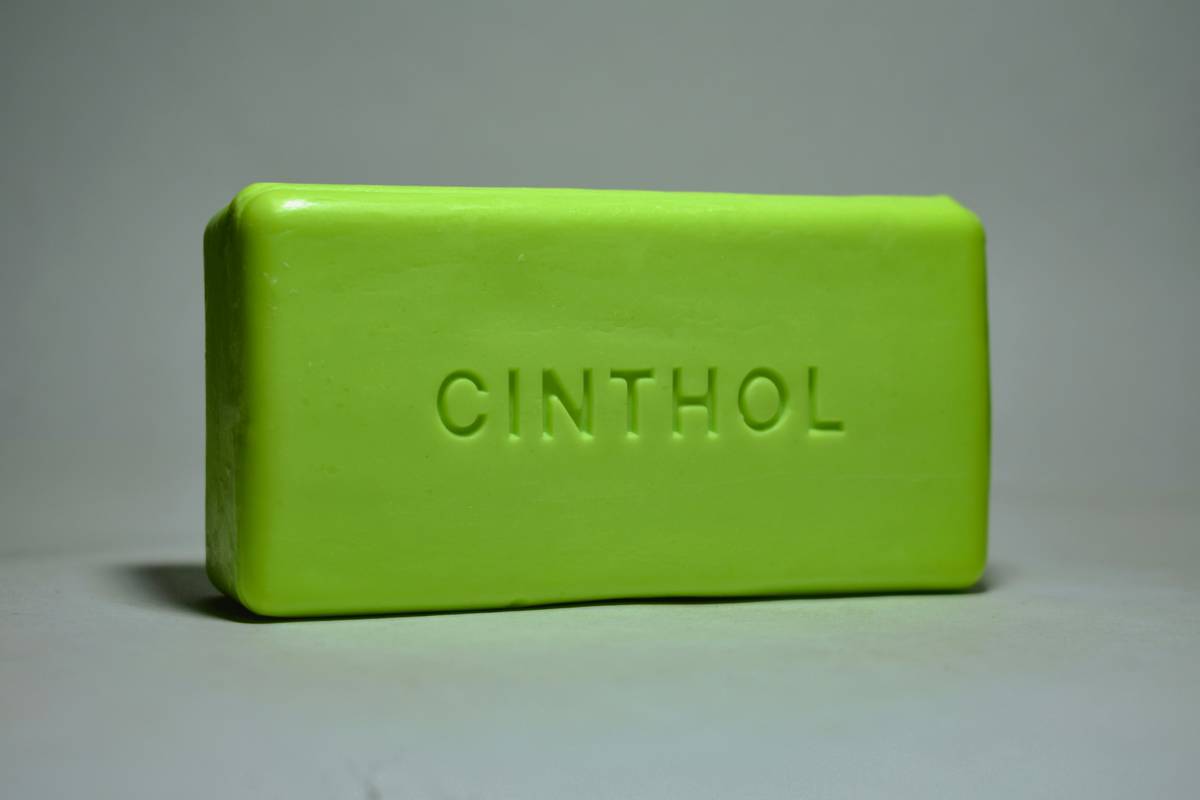
Enter the conditioner bar: a concentrated, waterless solid packed with plant-based butters (like shea or cocoa), oils (argan, jojoba), and conditioning agents like behentrimonium methosulfate (a gentle, biodegradable cationic surfactant). These bars last 2–3 times longer than liquid equivalents and come wrapped in compostable paper or tin.
As a formulator who’s tested over 40 brands—from indie artisans to Lush—I’ve seen formulations evolve dramatically. Early bars were waxy and left residue; today’s versions rival luxury salon conditioners in performance. But technique matters just as much as ingredients.
Step-by-Step: How to Use a Sustainable Conditioner Bar
Here’s where most people go wrong: they treat a conditioner bar like soap. Big mistake. These aren’t cleansing—they’re moisturizing. Follow these steps for silky, tangle-free hair without buildup.
Step 1: Wash Hair with Shampoo First (Prep Is Key)
Always shampoo first. Clean hair allows the conditioner to penetrate—not just sit on top of oil and grime. If you co-wash (conditioner-only washing), skip this step—but know most bars aren’t designed for cleansing.
Step 2: Wet the Bar, Not Your Hair (Seriously)
Turn off the shower. Rub the bar between wet hands or directly on damp (not dripping) mid-lengths and ends. You want a light, creamy lather—not suds. Think “butter melting on toast,” not “bubble bath.”
Step 3: Apply Strategically—Roots Are Off-Limits
Focus from ears down. Applying near roots = greasy crown by day two. Use fingers to distribute evenly. For thick or curly hair, section hair and work in layers.
Step 4: Let It Sit (But Not Forever)
Leave on for 1–3 minutes. Longer isn’t better—most conditioning agents bind in under 60 seconds. Overdoing it leads to limp, weighed-down hair.
Step 5: Rinse Thoroughly with Cool Water
Cold rinse seals cuticles for shine. Ensure zero residue—run fingers through hair post-rinse. If it feels waxy, you used too much or didn’t rinse enough.
5 Pro Tips for Flawless Results
- Store It Right: Use a well-drained soap dish or magnetic tin. Never leave it sitting in a puddle—it’ll turn to mush in days.
- Hard Water Hack: If you have hard water, follow with an apple cider vinegar rinse (1 tbsp in 1 cup water) once a week to prevent mineral buildup.
- Travel Smart: Pop your bar in a reusable tin. TSA won’t confiscate it, and it won’t leak in your bag.
- Check pH Levels: Ideal conditioner pH is 3.5–5.5. Too alkaline? Causes frizz. Brands like Ethique and HiBAR publish their pH data—ask if they don’t.
- Give It Time: Transitioning from silicones takes 1–2 weeks. Don’t quit on day 3 when hair feels “weird.” That’s just your scalp detoxing.
The Terrible Tip Nobody Talks About
“Just rub the bar directly on dry hair for deep conditioning!” NO. This wastes product, creates uneven distribution, and can clog follicles. Always apply to damp, freshly washed hair.
Rant Section: My Pet Peeve
Why do some brands call their bars “plastic-free” when they’re wrapped in polypropylene film? *Side-eye.* True sustainability means full lifecycle thinking—from sourcing to disposal. Check packaging: if it’s not home-compostable or metal, it’s greenwashing.
Real Hair, Real Results: Case Studies
Case 1: Maria, 34, Curly Hair (Type 3C)
After years of silicone-heavy conditioners, Maria’s curls were dull and crunchy. She switched to a conditioner bar with coconut oil and panthenol. Result? Defined curls, no frizz, and her bar lasted 4 months (vs. 6 weeks for liquid). “My bathroom shelf went from cluttered to calm,” she says.
Case 2: James, 28, Fine, Color-Treated Hair
James avoided conditioner bars, fearing heaviness. He tried a lightweight formula with rice protein and camellia oil. After 10 days, volume improved and color faded slower (thanks to pH-balanced protection). “I saved $60 in 3 months—and stopped feeling guilty about my shower drain.”
These aren’t outliers. A 2023 study by the Journal of Cleaner Production found that solid personal care products reduce carbon footprint by up to 73% compared to liquids.
FAQs About Sustainable Conditioner Bars
How long does a conditioner bar last?
Most last 50–80 washes—about 2–4 months depending on hair length and frequency of use. Store it dry, and it’ll outlive your liquid bottles.
Are conditioner bars good for color-treated hair?
Yes—if they’re sulfate-free and pH-balanced (under 5.5). Look for bars labeled “color-safe” with UV filters like raspberry seed oil.
Can I use a conditioner bar daily?
Fine or oily hair types should limit use to 2–3x/week. Thick, dry, or curly hair can use it every wash.
Why does my hair feel waxy after using a bar?
Likely causes: hard water buildup, applying to roots, or not rinsing thoroughly. Try an ACV rinse and adjust technique.
Do conditioner bars expire?
Most have a 12–24 month shelf life. Natural preservatives like rosemary extract help, but store in a cool, dry place.
Conclusion
Making the switch to a sustainable beauty conditioner bar isn’t just about ditching plastic—it’s about reimagining your relationship with personal care. With the right technique, storage, and formula, you’ll get salon-quality results while slashing waste. Remember: start slow, store smart, and give your hair time to adapt. Within weeks, you’ll wonder why you ever clung to that slippery plastic bottle.
Like a Tamagotchi, your conditioner bar thrives on attention—but unlike that 2000s digital pet, it won’t beep angrily at 2 a.m. demanding food. Just keep it dry, love it well, and enjoy the bounce.
Water flows,
Plastic sinks, but bars endure—
Soft hair, clean conscience.