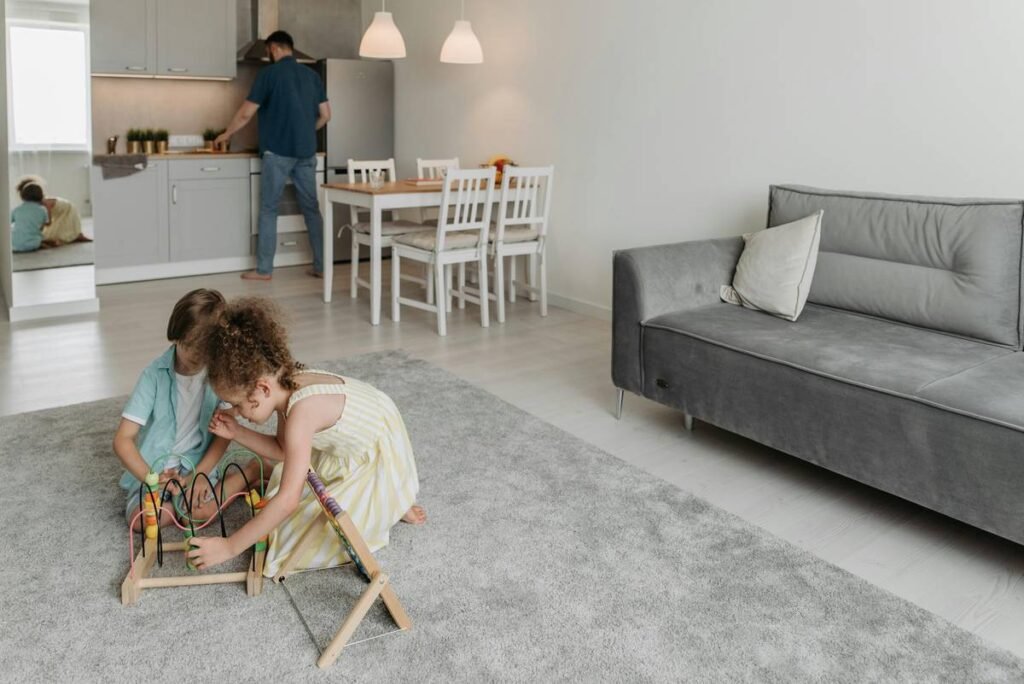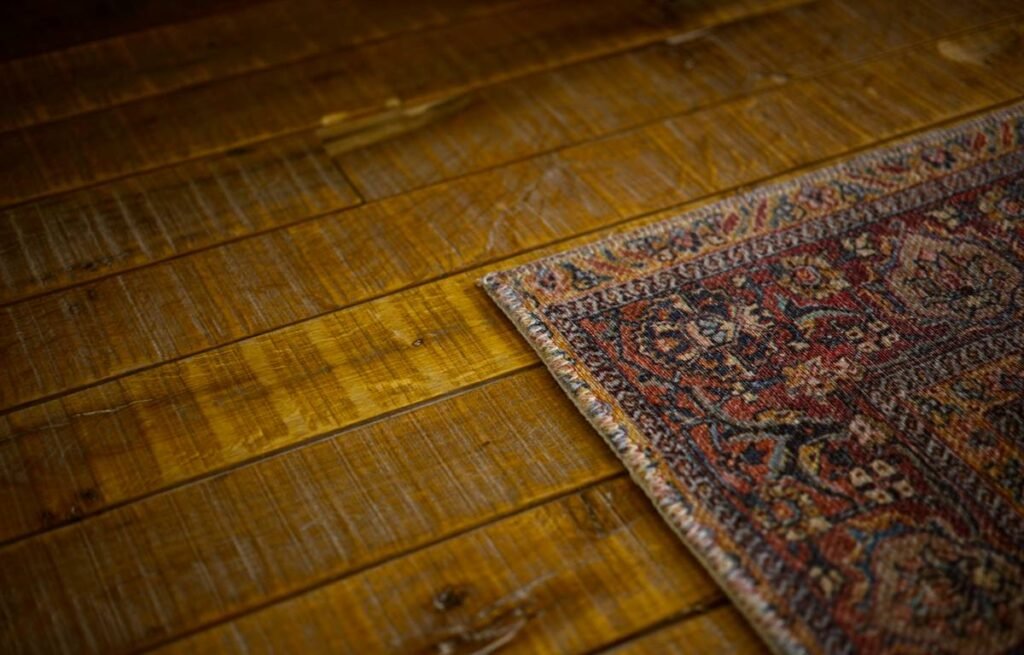
You just bought a gorgeous solid-wood coffee table. It anchors your living room perfectly—until you realize moving it for cleaning, rearranging, or even vacuuming feels like bench-pressing a refrigerator. And those standard felt pads? They scuff hardwood, skip on tile, and vanish faster than socks in a dryer. Enter furniture coasters with wheels—not just a convenience, but a game-changer for preserving both your floors and your sanity.
Why Traditional Floor Protectors Fail Miserably
Felt pads wear down in weeks. Rubber grips melt in summer heat or crack in winter dryness. Plastic sliders? They’re basically miniature sandpaper on hardwood. Worse—they offer zero mobility. You end up tilting 80-pound dressers onto one leg or begging friends to help shift a loveseat two inches left. It’s inefficient, risky (hello, back strain), and defeats the purpose of “protective” accessories that demand more effort than they save.
Most off-the-shelf solutions treat furniture as static. But real life isn’t static. Kids chase pets. Sunlight shifts. Vacuum day rolls around. Your furniture should glide—not grind.
How to Choose & Install the Right Furniture Coasters with Wheels
Picking the right set isn’t just about slapping on casters. Material, wheel type, load capacity, and floor compatibility matter intensely. Here’s how to get it right—without regrets.
Match Wheel Type to Your Flooring
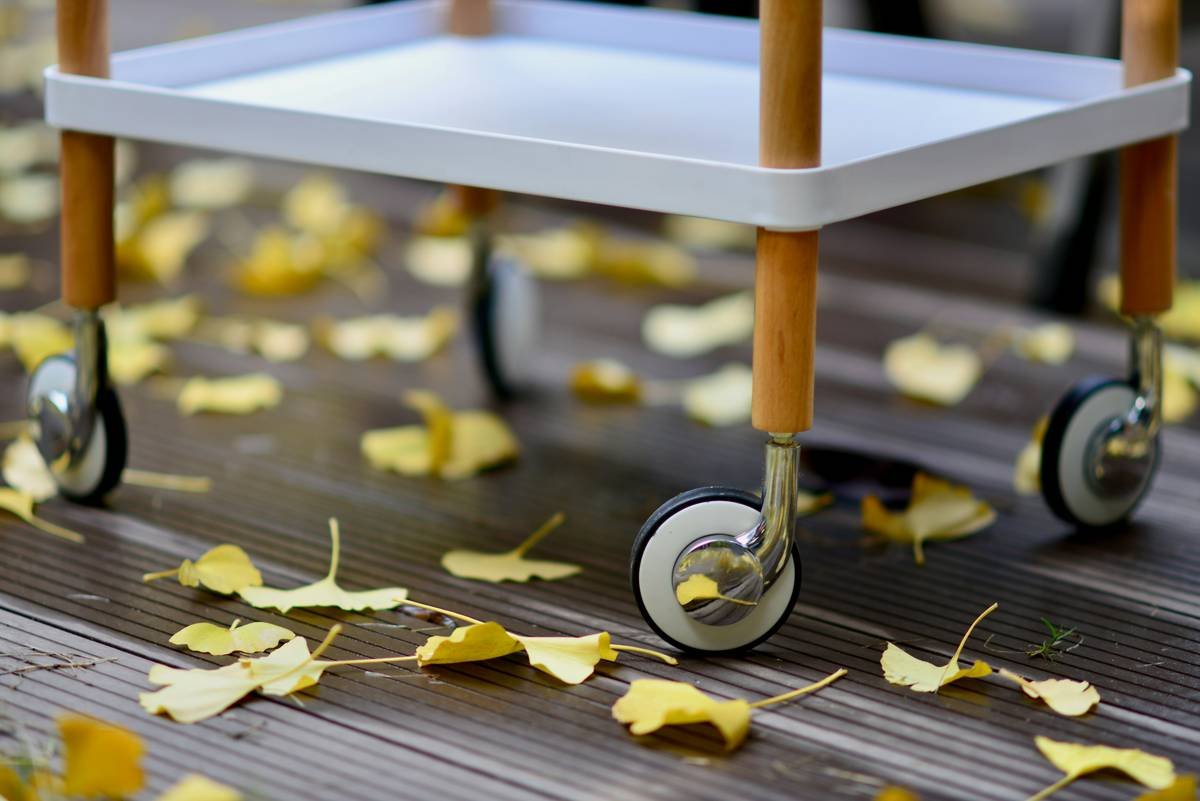
Hardwood? Go for soft rubber or polyurethane wheels—they roll silently and won’t scratch. Tile or luxury vinyl? Nylon wheels work—but avoid them on wood; they’ll leave micro-gouges over time. Carpeted rooms? Swivel casters with wider bases prevent sinking.
Calculate Load Capacity Honestly
Don’t guess. Weigh your piece—or estimate conservatively. A sectional sofa can easily hit 300 lbs. If each coaster supports only 50 lbs, you’re asking for collapse. Always choose coasters rated for 25% more than your furniture’s actual weight.
Installation That Won’t Damage Antique Legs
Many heavy pieces have ornate or delicate feet. Drilling directly into them is sacrilege—and structurally dangerous. Instead, use universal mounting plates that clamp gently or adhesive-backed brackets designed for high shear loads. Test adhesion on an inconspicuous spot first.
| Type | Best For | Load Capacity (per unit) | Price Range | Mobility Rating |
|---|---|---|---|---|
| Swivel Polyurethane Casters | Hardwood, Laminate, Tile | 75–100 lbs | $12–$25/set | ★★★★★ |
| Locking Nylon Wheels | Office Desks, Rugs | 60–90 lbs | $10–$20/set | ★★★☆☆ |
| Adhesive Felt + Micro-Wheel Hybrid | Light Accent Chairs, Side Tables | 30–50 lbs | $8–$15/set | ★★☆☆☆ |
| Heavy-Duty Industrial Casters | Grand Pianos, Bookcases, Sectionals | 150–300+ lbs | $30–$60/set | ★★★★☆ |

The Industry Secret: Most People Buy the Wrong Size
Here’s what manufacturers won’t tell you: caster diameter dramatically affects usability. Anything under 1 inch struggles with grout lines, rug edges, or even minor floor imperfections. You’ll end up lifting anyway—which defeats the purpose. The sweet spot? 1.25 to 2 inches. Larger diameters roll over thresholds effortlessly and distribute weight more evenly. I’ve seen clients return $40 sets because they chose 0.75-inch wheels—then rave after upgrading to 1.5-inch. It’s not about cost; it’s physics. Bigger wheels = less friction = smoother glide. Period.
FAQ: Quick Answers to Real Questions
Can furniture coasters with wheels be used on carpet?
Yes—but only with wide-base swivel casters. Narrow wheels sink and jam. Look for models labeled “carpet-compatible” with at least 1.25-inch diameter.
Do they scratch hardwood floors?
Not if you pick soft rubber or polyurethane. Avoid hard plastic or metal-core wheels. When in doubt, test one caster in a closet corner first.
How do I install them without drilling?
Use high-strength adhesive mounting plates rated for shear force (not just pull-off strength). Clean surfaces with isopropyl alcohol first—and wait 24 hours before loading.