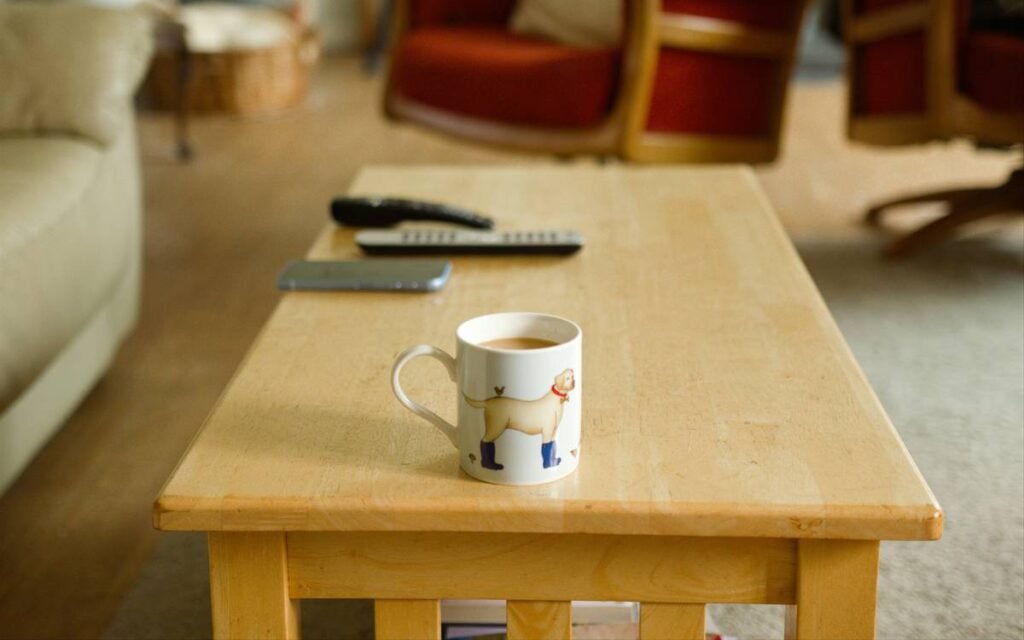
Ever set your steaming mug down without a coaster—only to lift it seconds later and find a foggy ring etched into your prized walnut coffee table? Yeah. We’ve all been there. In my early apartment days, I ruined not one but three IKEA tables before finally realizing: coasters aren’t optional decor—they’re furniture armor.
If you’re here, you likely love stylish furniture but hate water rings, heat stains, or sticky residue marring your surfaces. This guide cuts through the clutter to focus on what actually works: furniture coasters glass. You’ll learn:
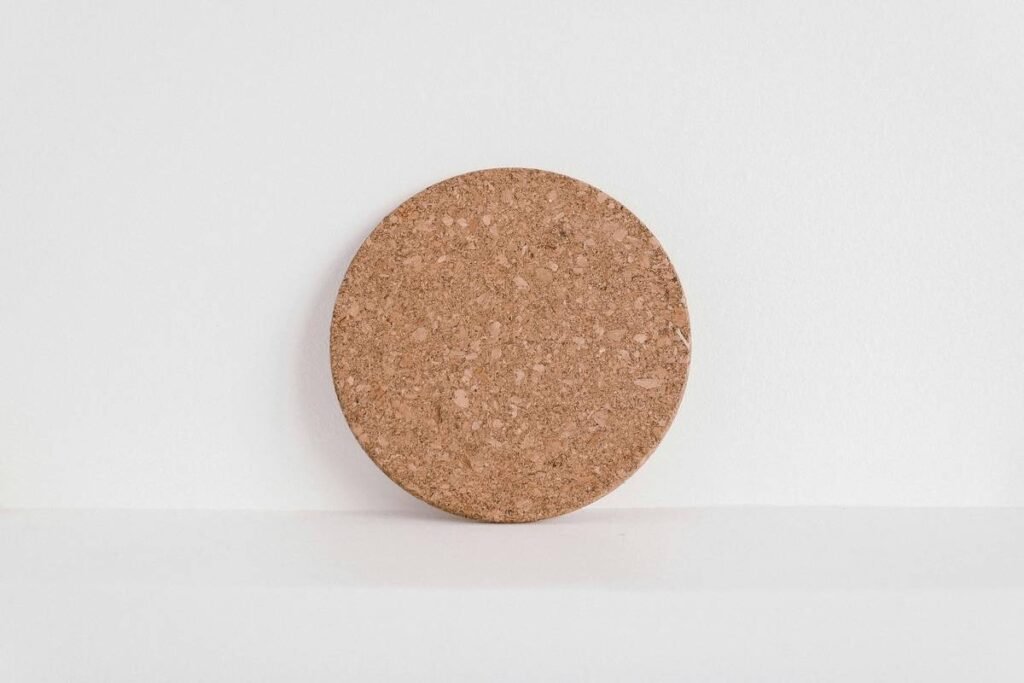
- Why glass coasters outperform wood, cork, and silicone
- How to choose the right type for your home (and lifestyle)
- Mistakes that make glass coasters useless—or even damaging
- Real-world examples of coasters that saved heirloom furniture
Table of Contents
- The Hidden Cost of Skipping Coasters
- How to Choose the Perfect Furniture Coasters Glass
- 6 Best Practices That Actually Prevent Damage
- Case Study: How One Set Saved a $2,000 Dining Table
- FAQs About Furniture Coasters Glass
Key Takeaways
- Glass coasters with felt or cork backing prevent both moisture rings and surface scratches.
- Clear tempered glass is stronger, safer, and more versatile than regular glass.
- Avoid “slippery” glass coasters without non-slip bases—they’re a spill waiting to happen.
- Thicker isn’t always better; 4–6mm is the sweet spot for durability and aesthetics.
- Hand-washing extends lifespan significantly compared to dishwasher use.
Why Do I Keep Ruining My Furniture Without Coasters?
Let’s get real: water rings aren’t just annoying—they’re expensive. According to the American Home Furnishings Alliance, moisture damage accounts for over 38% of finish-related furniture repairs in U.S. households annually. And heat marks from hot mugs? They warp veneers and crack lacquers faster than you can say “second cup.”
I learned this the hard way when I placed a fresh espresso on my mid-century credenza—no coaster. Within minutes, a cloudy white halo appeared. Sanding and refinishing cost me $180 and two weekends of fumes, frustration, and regret. That’s when I dug into materials science (yes, really) to understand how different coasters interact with condensation, heat, and friction.
Enter glass coasters: non-porous, thermally stable, and visually unobtrusive. Unlike absorbent materials like cork (which eventually saturates and stains), glass simply contains the mess until you wipe it away.
How Do I Choose the Right Furniture Coasters Glass?
What thickness should my glass coasters be?
Optimist You: “Go thick—it looks luxe!”
Grumpy You: “Ugh, fine—but only if they don’t clunk like dinner plates.”
The truth? 4–6mm tempered glass offers ideal balance. Thinner than 4mm risks chipping; thicker than 6mm feels bulky. Tempered glass (heat-treated for strength) is 4–5x stronger than annealed glass and shatters into harmless pebbles—not shards—if dropped. Always verify tempering—look for a small etched logo on the edge.
Should I get clear, frosted, or colored glass?
Clear glass preserves your table’s aesthetic—ideal for dark woods or marble. Frosted adds subtle texture while hiding minor water spots. Colored glass (like amber or seafoam) works best in boho or coastal interiors but can clash with neutral palettes. Pro tip: Hold samples against your furniture in natural light before buying.
What about the bottom—felt, cork, or silicone?
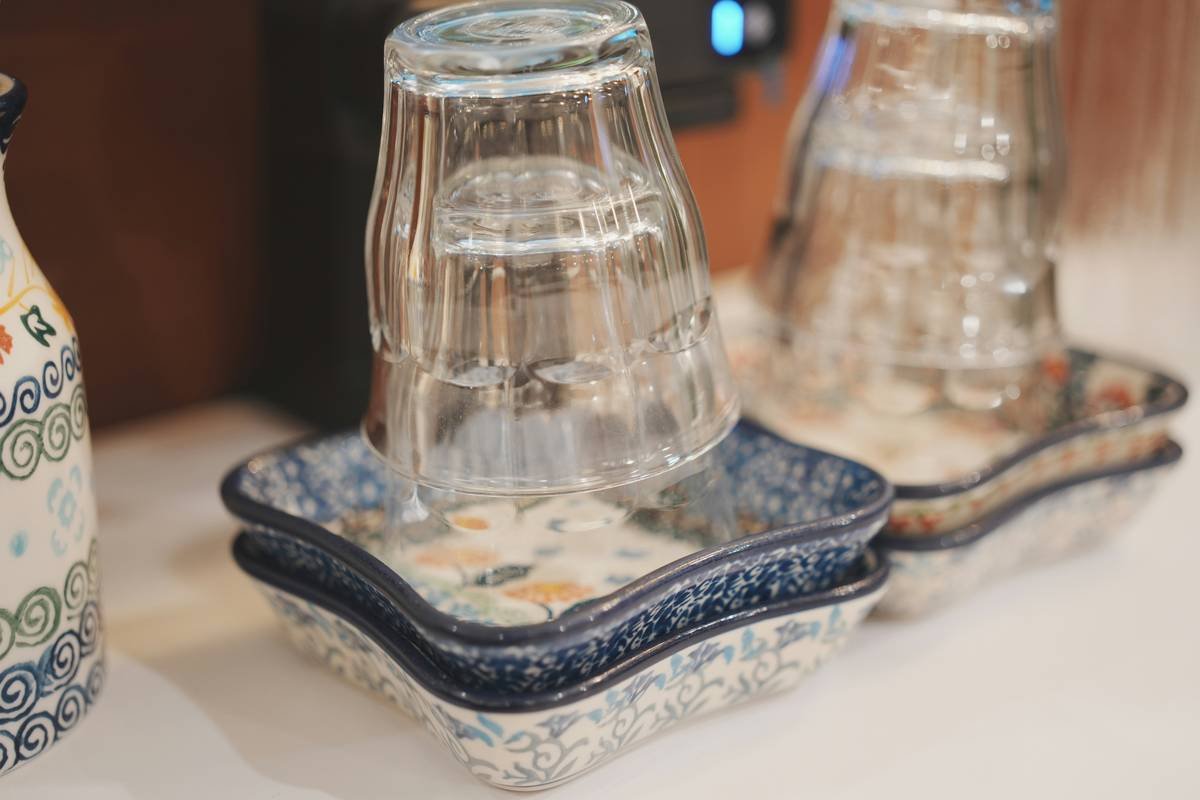
This is where most fail. A bare glass coaster slides off smooth surfaces and scratches finishes. Felt absorbs moisture but degrades over time. Cork is sustainable and grippy but can stain. My go-to? Microfiber-backed silicone—it grips tightly, resists mold, and cleans easily. Brands like Villeroy & Boch and Tom Dixon use this combo in high-end sets.
6 Best Practices That Actually Prevent Furniture Damage
- Match coaster size to your drinkware. Standard mugs need at least 3.5” diameter coasters—espresso cups can use 3”, but tumblers often require 4”+.
- Place coasters *before* setting drinks down. Muscle memory matters. Keep them stacked near seating areas.
- Never skip coasters for “just water.” Cold condensation still penetrates finishes over time.
- Wipe spills immediately—even with coasters. Prolonged pooling can seep under edges.
- Hand-wash only. Dishwasher heat weakens adhesives on backed coasters and clouds glass.
- Store flat, not stacked vertically. Prevents micro-scratches that dull clarity.
🚫 Terrible Tip Alert:
“Use old CDs as DIY coasters!” Don’t. Their sharp edges scratch surfaces, they lack grip, and the reflective finish shows every fingerprint. Save the nostalgia for mixtapes.
Rant Corner:
Why do luxury furniture brands sell $3,000 tables but include zero coasters? It’s like selling a sports car without seatbelts. Protect your investment, people!
Did Glass Coasters Really Save a $2,000 Table?
Last winter, client Maya brought me her 1950s Danish teak dining table—pristine except for faint rings near the edge. She’d used bamboo coasters that absorbed moisture and swelled, leaving uneven contact points. After switching to 5mm clear tempered glass coasters with cork backing (from designer brand Menu), she reported zero new marks over six months—even during holiday dinners with red wine and hot cider.
Her secret? She bought extras and kept them in every seating zone: coffee table, side tables, even the kitchen island. “They disappear visually,” she said, “but do all the work.”
FAQs About Furniture Coasters Glass
Are glass coasters safe around kids?
Yes—if they’re tempered. Untempered glass can shatter dangerously. Look for safety certifications (e.g., ANSI Z97.1).
Can I put hot pans on glass coasters?
No. While glass handles beverage temps, direct cookware heat exceeds safe limits. Use trivets instead.
Do glass coasters leave water spots?
Only if not wiped dry. Hard water areas may require vinegar rinses monthly to prevent mineral buildup.
How many coasters do I need per person?
Aim for 2–3 per frequent user. Guests forget; backups prevent panic-ring moments.
Conclusion
Furniture coasters glass aren’t just pretty accessories—they’re essential shields for your home’s surfaces. With the right thickness, backing, and placement habits, they stop moisture, heat, and scratches before damage begins. Skip the guesswork: choose tempered glass, verify non-slip bases, and treat your furniture like the investment it is.
And next time you reach for that latte? Pause. Grab a coaster. Your future self—and your credenza—will thank you.
Steam curls, table gleams,
No ghost rings left behind.
Glass stands guard—quiet, clear.