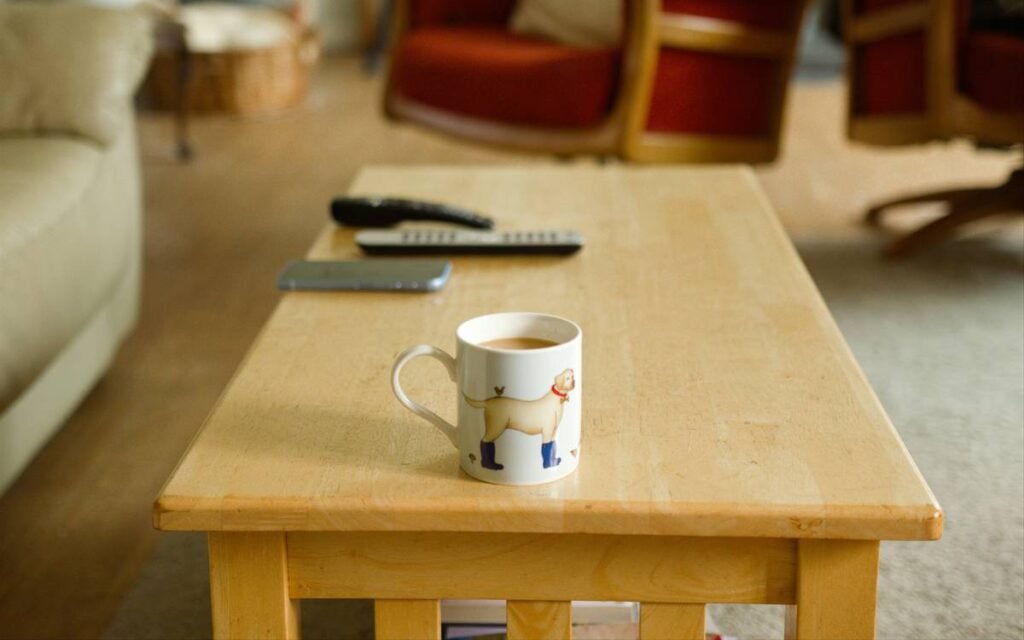
Ever set down a cold drink only to hear that dreaded *squelch-suck* as your coffee table weeps a ring of condensation? Or worse—watched your partner place a hot mug directly on your vintage walnut console like it’s no big deal? Yeah. Been there, cried over water rings, and bought way too many coaster sets trying to fix it.
If you’ve ever lost sleep over moisture marks, heat scorching, or just plain ugly rings marring your beautiful furniture, this post is for you. We’re diving deep into the surprisingly nuanced world of coasters for furniture—not just what they are, but how to choose, style, and actually *use* them so your surfaces stay pristine without sacrificing aesthetics.
You’ll learn:
- Why coasters aren’t just decorative fluff—they’re essential furniture armor
- How material, size, and grip impact real-world performance (spoiler: not all cork is created equal)
- The exact types that work best for wood, glass, marble, and upholstered side tables
- Real mistakes I’ve made (like buying “non-slip” silicone coasters that slid off faster than my cat from bath time)
Table of Contents
- Why Coasters for Furniture Actually Matter (Beyond Aesthetics)
- How to Choose the Right Coasters for Your Furniture Type
- 7 Best Practices for Using Coasters Like a Pro
- Real-Life Wins (and Fails) with Coaster Strategies
- FAQs About Coasters for Furniture
Key Takeaways
- Water rings and heat damage are among the top causes of premature furniture wear—coasters prevent both.
- Material matters: Cork absorbs moisture; ceramic handles heat; silicone grips well on glass.
- Size should match your typical drinkware—oversized coasters look clumsy; undersized ones leak.
- Always check for non-slip backing—especially on smooth surfaces like marble or lacquered wood.
- Coasters aren’t just functional—they’re design accents that tie your room together.
Why Coasters for Furniture Actually Matter (Beyond Aesthetics)
Let’s get one thing straight: coasters aren’t just cutesy trinkets for Pinterest boards. They’re your first line of defense against irreversible damage. According to the National Wood Flooring Association, moisture exposure—even from short-term condensation—is a leading cause of warping, swelling, and finish degradation in wooden furniture. And heat? Just one hot mug can leave a permanent white ring on veneer or laminate finishes.
I learned this the hard way. Two years ago, I hosted a dinner party and proudly displayed my new mid-century teak sideboard. Halfway through, someone set down an iced tea—no coaster. By morning, a ghostly watermark had bloomed like a sad halo. Restoration cost $120 and took two weeks.
Pro insight: Different materials react differently to moisture and heat. Solid hardwood can often be sanded out, but engineered wood, MDF, or veneer? Once it swells, it’s game over.
How to Choose the Right Coasters for Your Furniture Type
Picking coasters isn’t about matching your throw pillows. It’s about physics meeting practicality. Here’s how to choose based on your actual furniture—not just your mood board.
What’s the Best Coaster Material for Wooden Furniture?
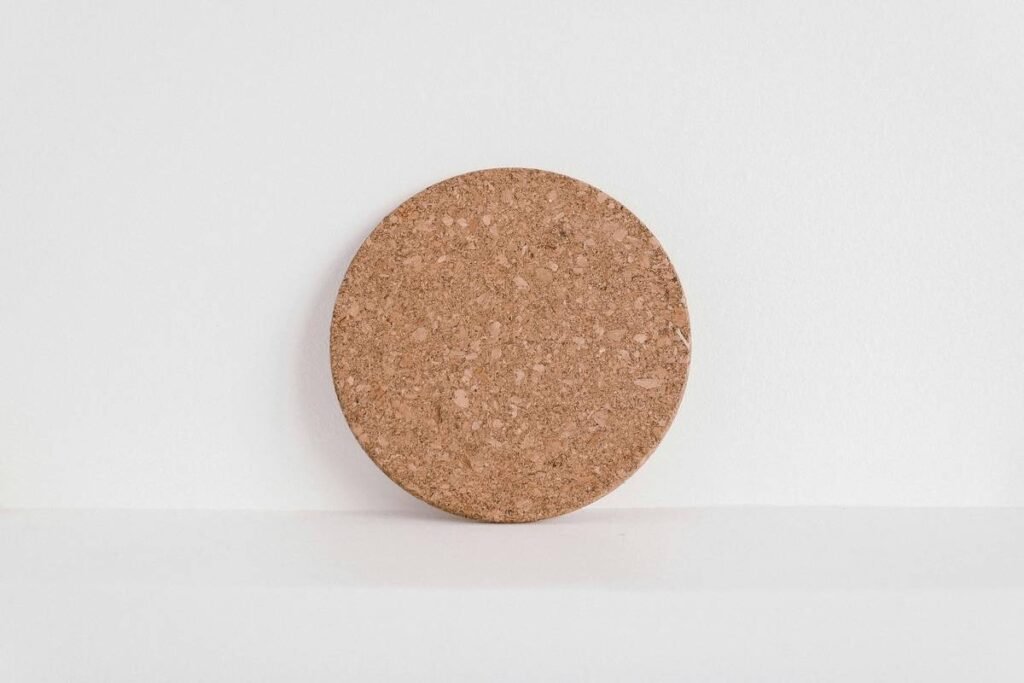
Cork is king here. It’s naturally absorbent, soft on finishes, and won’t scratch. Look for dense, thick cork (at least 4mm)—cheap, thin versions compress and leak. I swear by CorkHouse’s recycled cork sets; they’ve survived three summers of backyard margaritas.
Do Glass or Marble Tables Need Special Coasters?
Absolutely. Glass doesn’t stain, but it shows every smudge—and drinks slide off terrifyingly fast. Go for silicone or rubber-backed coasters. The slight tack keeps glasses stable, and they wipe clean instantly. For marble (which etches easily from acidic drinks like wine or citrus), use ceramic or stone coasters with sealed glazes to create a buffer zone.
What About Upholstered or Fabric Side Tables?
Yep, even fabric needs protection! Spills seep fast. Use double-sided coasters—felt on the bottom to protect the fabric, absorbent material on top. Or go minimalist with stainless steel cup coasters that catch drips before they drip.
Optimist You: “Just grab any cute set from Target!”
Grumpy You: “Ugh, fine—but only if coffee’s involved… and you triple-check they don’t slide like hockey pucks on ice.”
7 Best Practices for Using Coasters Like a Pro
- Match coaster diameter to drinkware: Standard mugs need 4-inch coasters; wine glasses? 3.5 inches is plenty. Oversized looks clunky; undersized leaks.
- Never skip the non-slip base: Even on wood. Humidity makes surfaces slick. Silicone dots > full rubber bottoms (they trap moisture).
- Rotate your sets: Absorbent materials like cork hold odors over time. Swap them seasonally or after heavy entertaining.
- Keep extras hidden nearby: Tuck a stack in your coffee table drawer or side cabinet. Guests won’t hunt for them—they’ll just set drinks down bare.
- Avoid metal-on-wood contact: Bare stainless steel can leave micro-scratches. Always use a protective layer underneath.
- Clean gently: No soaking cork—it deforms. Wipe with a damp cloth + mild soap. Ceramic? Dishwasher-safe if labeled.
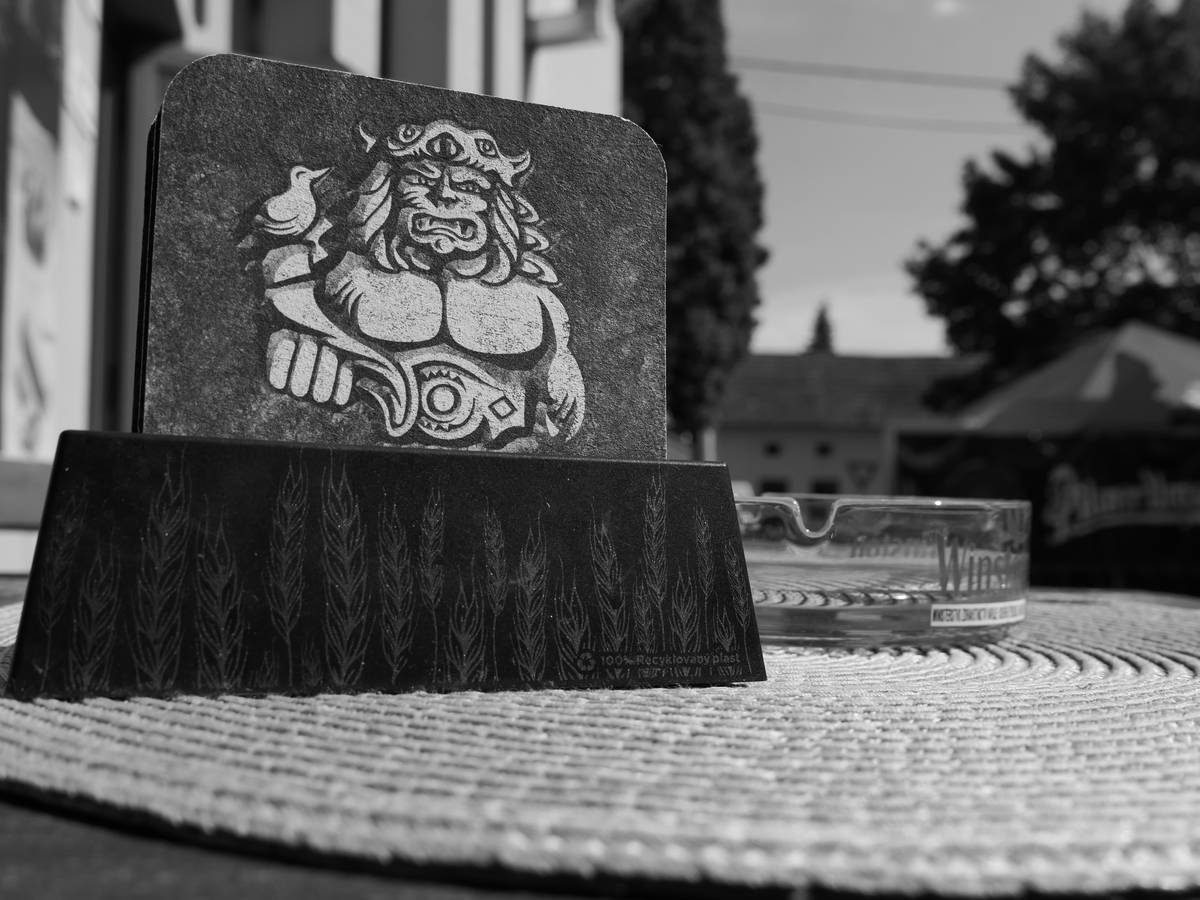
- Style intentionally: A set of minimalist black slate coasters elevates a modern space; hand-thrown pottery adds warmth to farmhouse decor.
Real-Life Wins (and Fails) with Coaster Strategies
Case Study #1: The Oak Dining Table Rescue
Client: Sarah K., Chicago
Problem: White heat rings from coffee mugs on a 1970s oak table.
Solution: Switched to unglazed ceramic coasters (unglazed = better heat absorption). Paired with a coaster tray to keep them corralled. Result? Zero new rings in 18 months—and her aunt thought she’d refinished the whole table.
My Epic Fail: The “Designer” Silicone Disaster
I once bought ultra-thin, translucent silicone coasters because they “disappeared” on glass tables. Big mistake. They peeled up at the edges, trapped condensation underneath, and left a sticky residue that took rubbing alcohol and 20 minutes to remove. Lesson: Thin ≠ elegant when function fails.
FAQs About Coasters for Furniture
Do I really need coasters if my furniture has a “protective finish”?
Yes. Most finishes (even polyurethane) aren’t waterproof—they’re water-resistant for short spills. Prolonged moisture exposure still penetrates. Heat also degrades finishes over time.
Can I make my own coasters?
Totally! DIY options like sealed tile, resin-poured wood slices, or glued fabric over cork work—if properly sealed. But test durability first. One blogger friend’s fabric coasters bled dye onto her white lacquer table after a red wine spill. Not cute.
How many coasters should I have per seating area?
Aim for 2–3 per seat. People forget, drop them, or double-fist drinks during game night. Better to have extras.
Are leather coasters good?
Only if treated. Untreated leather stains instantly from moisture and leaves oily residues. Avoid unless explicitly designed for drinkware (e.g., waxed leather with sealed surfaces).
Conclusion
Coasters for furniture aren’t optional decor—they’re tiny, tactical shields that preserve your investment, maintain resale value, and keep your space looking intentional. Whether you’re guarding heirloom mahogany or a sleek acrylic console, the right coaster balances function, fit, and style without screaming “LOOK AT ME.”
So next time you reach for a drink, thank your future self for grabbing that humble disc. Your furniture will stay flawless—and your hosting cred? Impeccable.
Like a Tamagotchi, your coffee table needs daily care… one coaster at a time.
Haiku break:
Cold glass meets warm wood—
A ring blooms where none should grow.
Cork saves the day again.