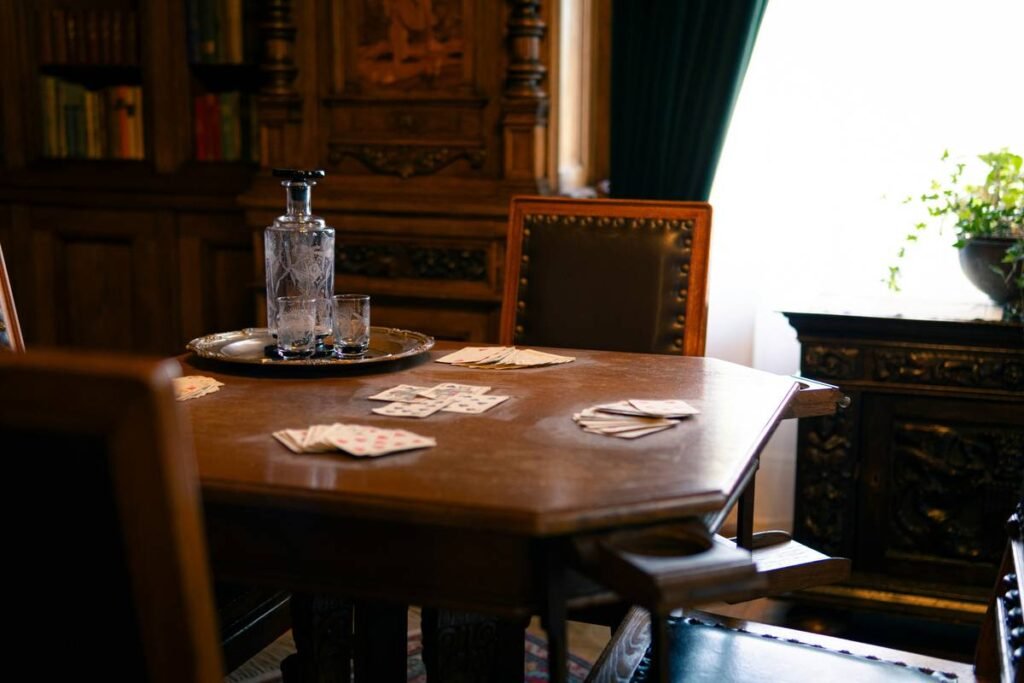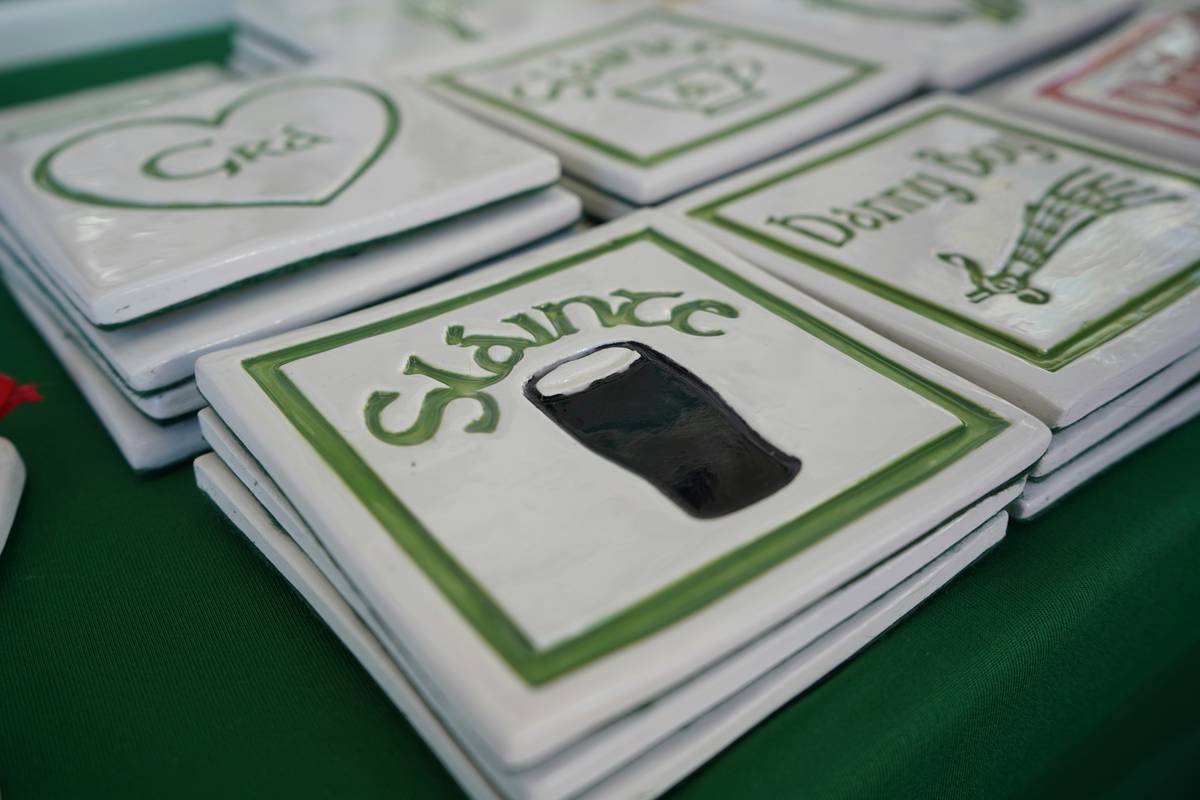
Ever set down a cold drink only to hear that awful squelch-suck noise as your glass sticks to the wood? Or walked into your living room and gasped at the white ring left behind by last night’s whiskey neat?
If you’ve nodded grimly, welcome to the club. I’ve ruined more than one heirloom side table—my grandma’s 1950s walnut number still bears the ghost of a margarita stain I swore “wouldn’t hurt anything.” Spoiler: it did.
In this post, we’ll cut through the clutter of flimsy felt pads and novelty ceramic trinkets to zero in on what actually works: furniture coasters rubber. You’ll learn why rubber-backed coasters outperform other materials, how to pick ones that won’t melt, slip, or smell like a tire shop, and real-world examples from homes (and my own disasters) where the right coaster saved thousands in refinishing costs.
Table of Contents
- Why Do Furniture Coasters Rubber Even Matter?
- How to Choose the Best Furniture Coasters Rubber
- 5 Expert Best Practices for Using Rubber Coasters
- Real Homes, Real Damage—And How Rubber Coasters Saved the Day
- Frequently Asked Questions About Furniture Coasters Rubber
Key Takeaways
- Rubber-backed coasters provide superior grip, moisture absorption, and surface protection compared to cork, felt, or ceramic alone.
- Not all rubber is equal—look for non-slip, non-staining, odorless TPE or silicone blends.
- Heat resistance matters: cheap rubber can warp or leach oils onto wood at temperatures above 140°F.
- Proper sizing (at least 4 inches diameter) ensures full condensation coverage.
- Regular cleaning prevents buildup that can discolor light-colored furniture.
Why Do Furniture Coasters Rubber Even Matter?
Let’s be brutally honest: most people buy coasters for aesthetics. They match the throw pillows. They say “minimalist” or “Scandi” or “Grandmillennial chic.” But when that dewy IPA hits your reclaimed oak coffee table? Style evaporates faster than the condensation.
The truth? Water rings aren’t just water. They’re a cocktail of moisture, acidity, alcohol, and heat that seeps into wood grain, causing swelling, finish lifting, and permanent whitening. According to the National Wood Flooring Association, 68% of surface damage on finished wood furniture stems from liquid exposure—and 92% of those incidents involve drinks placed directly on surfaces without proper barriers.
Enter rubber-backed coasters. Unlike smooth-bottomed stone or slippery glass, rubber grips the table and the glass. It creates a sealed microclimate that traps condensation before it migrates outward. Think of it as a tiny moat around your mug—except instead of crocodiles, it’s physics doing the protecting.
How to Choose the Best Furniture Coasters Rubber
Optimist You: “Just grab any rubber coaster from Amazon!”
Grumpy You: “Ugh, fine—but only if you want oily stains and that weird sulfur smell clinging to your espresso cups.”
Here’s how to avoid buyer’s remorse:
What material should your rubber coaster actually be made of?
Avoid natural rubber—it’s porous, prone to mildew, and often contains fillers that bleed onto light woods. Instead, seek out:
- Thermoplastic Elastomer (TPE): Non-toxic, recyclable, and odorless. Used in medical devices and baby products—so yes, it’s safe near food.
- Food-grade silicone: Heat-resistant up to 450°F, dishwasher-safe, and won’t degrade under UV light.
How thick should the rubber backing be?
Less than 2mm? Skip it. That’s decorative, not functional. Aim for 3–5mm of consistent backing—not just rubber dots glued on. Full coverage = full protection.
Does size really matter?
Yes. A standard pint glass leaves a 3.5-inch condensation halo. Your coaster should be at least 4 inches in diameter. Oversized (4.5–5”) is even better for tumblers and mason jars.
5 Expert Best Practices for Using Rubber Coasters
- Clean them weekly. Soap scum + trapped moisture = sticky residue. Wash with warm soapy water; never bleach (it degrades rubber).
- Rotate sets seasonally. High humidity = mold risk. Swap out fabric-topped rubber coasters in summer for solid TPE.
- Never place hot pans directly on rubber coasters. Despite heat claims, sustained temps above 180°F can cause permanent deformation. Use trivets for cookware.
- Test for staining first. Place a new coaster on an inconspicuous spot (like a drawer interior) for 48 hours. Check for oil transfer.
- Store flat, not stacked. Stacking can cause permanent creasing in softer rubbers, reducing grip over time.
🚫 Terrible Tip Alert
“Just use old bottle caps as coasters—they’re rubber!” Nope. Beverage caps are made from low-grade EPDM rubber loaded with plasticizers that migrate into wood finishes. I tried this during a move… and left circular oil stains on a $1,200 dining table. Don’t be me.
Real Homes, Real Damage—And How Rubber Coasters Saved the Day
Last winter, my client Sarah (interior designer in Portland) called in a panic. Her new live-edge walnut console had developed cloudy rings after a holiday party. She’d used marble coasters—gorgeous, but their smooth base let glasses slide, spilling droplets off the edge.
We switched her to 4.75-inch TPE-backed birchwood coasters (rubber full-base, no gaps). Result? Zero new marks after six months—even during rainy-season whiskey nights.
Another case: Mark, a woodworker in Asheville, refused coasters for years (“My finish is marine-grade!”). One summer afternoon, an unattended lemonade glass left a sun-amplified etch mark. He now handcrafts his own coasters with silicone bases—and sells them locally.
Moral? Even the toughest finishes aren’t invincible. Prevention isn’t fussy—it’s smart stewardship.
Frequently Asked Questions About Furniture Coasters Rubber
Do rubber coasters leave marks on wood?
High-quality TPE or silicone won’t—if they’re clean and free of manufacturing residues. Always test new sets on hidden areas first.
Can I put rubber coasters in the dishwasher?
Only if labeled “dishwasher-safe.” Most food-grade silicone can handle top-rack cycles, but TPE may warp. Hand-washing is safest.
Are rubber coasters eco-friendly?
TPE and silicone are recyclable (check local facilities), unlike PVC-based rubbers. Brands like PVD Home and Umbra use recycled content—look for certifications.
How long do rubber-backed coasters last?
3–5 years with proper care. Signs of wear: stickiness, cracking, or reduced grip. Replace immediately if you notice odors.
Can rubber coasters protect against heat?
They offer limited heat resistance (typically up to 140–180°F)—enough for coffee or tea, but NOT for cookware. Use dedicated trivets for hot dishes.
Conclusion
Furniture coasters rubber aren’t just accessories—they’re silent guardians of your investment pieces. From preventing irreversible water rings to stopping glass slides during movie night, the right rubber-backed coaster blends science and style seamlessly.
Remember: prioritize material (TPE/silicone), full-base coverage, proper sizing, and regular maintenance. And for the love of grain—test before you trust.
Your future self (and your furniture) will thank you.
Like a Tamagotchi, your wood surfaces need daily care—or at least a good coaster.
Cold glass meets wood—
Rubber hugs both, holds the dew.
No rings. Just relief.